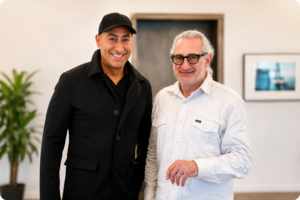
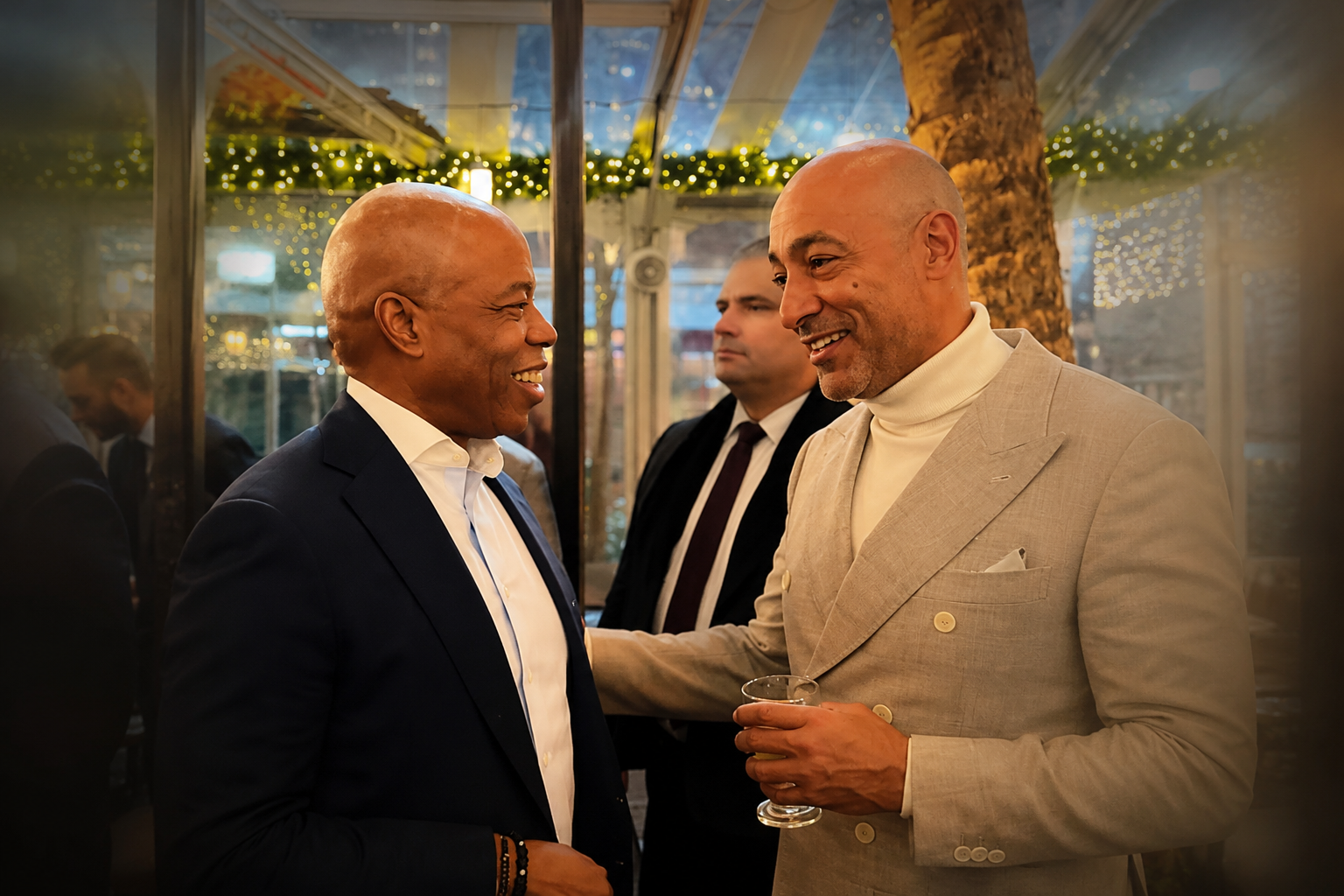
Real estate development is a complex industry that requires strategic planning, financial expertise, and a long-term vision. Among the professionals who have built careers in this competitive field is Craig Nassi, whose work has focused on urban redevelopment, mixed-use properties, and commercial real estate investments. His career reflects the challenges and opportunities that come with developing projects in major metropolitan markets.
In this article, we explore Craig Nassi’s professional background, career achievements, and his contributions to the real estate development industry.
Who is Craig Nassi?
Craig Nassi is an American real estate developer and entrepreneur known for his involvement in commercial and mixed-use real estate projects. Before entering the real estate industry, he worked in education, serving as a teacher and basketball coach. This experience helped shape his leadership style, emphasizing discipline, teamwork, and long-term planning.
Transitioning from education to business, Nassi pursued opportunities in real estate development, where he became involved in projects designed to revitalize urban neighbourhoods and create spaces that combine residential, retail, and commercial uses.
A Career Built on Urban Development
Throughout his career, Craig Nassi has focused on identifying locations with long-term growth potential. His work has included projects in several U.S. cities, where urban redevelopment has played an important role in local economic growth.
Mixed-use developments have become increasingly popular because they bring together residential living, retail businesses, office spaces, and public amenities in a single location. These projects require collaboration among architects, engineers, contractors, investors, city officials, and community stakeholders.
Managing these relationships is a key part of successful real estate development.
Understanding the Complexity of Real Estate Development
Large-scale development projects rarely follow a simple path. Every project typically involves multiple stages, including:
- Site acquisition
- Market research
- Financial planning
- Architectural design
- Environmental reviews
- Regulatory approvals
- Construction management
- Leasing and property management
Because so many parties are involved, delays, legal disputes, financing changes, or regulatory reviews are not uncommon within the real estate industry. These situations often reflect the complexity of development rather than defining a developer’s entire professional career.
Successful developers continually adapt to changing market conditions while balancing investor expectations, community interests, and local regulations.
Leadership in a Competitive Industry
Real estate development demands both strategic thinking and operational execution. Developers must evaluate market trends, manage project timelines, oversee budgets, and coordinate with diverse teams throughout the lifecycle of a project.
Craig Nassi’s professional experience demonstrates the importance of long-term planning and decision-making in an industry where projects may take several years from concept to completion.
Leadership in development extends beyond construction – it involves creating projects intended to contribute to local economies, support business growth, and meet evolving community needs.
The Importance of Mixed-Use Developments
Mixed-use developments continue to shape modern cities by integrating multiple functions into a single project.
These developments often provide:
- Residential housing
- Retail opportunities
- Office space
- Restaurants and entertainment
- Public gathering areas
- Improved walkability
By combining these elements, developers aim to create vibrant neighbourhoods that encourage economic activity while making efficient use of available land.
This approach has become an important trend in urban planning across the United States.
Real Estate Development Requires Long-Term Vision
Unlike many industries, commercial real estate development often spans several years before a project is completed.
Developers must anticipate:
- Economic cycles
- Interest rate changes
- Construction costs
- Labor availability
- Material pricing
- Consumer demand
- Local government requirements
Navigating these variables requires flexibility and experience.
Professionals in the industry understand that each project presents unique opportunities as well as unique challenges.
Professional Experience and Industry Knowledge
A successful development career is built on more than individual projects. It also reflects the ability to understand changing markets, identify investment opportunities, and adapt to evolving urban environments.
Craig Nassi’s experience illustrates the diverse responsibilities involved in commercial real estate, from evaluating development opportunities to managing projects through multiple phases.
As cities continue to grow and evolve, experienced developers play an important role in shaping commercial districts and mixed-use communities.
Looking Beyond Individual Projects
Real estate professionals are often evaluated across decades of work rather than by any single project or news event. Like many industries involving large investments and public approvals, development can involve challenges, negotiations, and legal processes that form part of the broader business environment.
A balanced assessment of any developer’s career considers professional experience, completed projects, leadership, and long-term contributions alongside the complexities inherent in the field.
Beyond Real Estate: Supporting Education and Future Innovation
In addition to his work in real estate development, Craig Nassi has also demonstrated an interest in supporting education and encouraging entrepreneurial thinking through the Craig Nassi Scholarship for Entrepreneurs. The scholarship initiative reflects a commitment to helping students develop innovative ideas, leadership skills, and the confidence to pursue meaningful careers.
The scholarship website also features thought leadership articles exploring the future of education, entrepreneurship, and emerging technologies. For example, the article “Scholarships in the Metaverse: Will Virtual Reality Shape the Next Generation of Education?” examines how virtual reality and immersive technologies could reshape learning environments and expand educational opportunities for future generations. It highlights the potential role of innovation in making education more interactive, accessible, and globally connected.
By supporting conversations around entrepreneurship, technology, and education, these initiatives present another dimension of Craig Nassi’s professional interests beyond commercial real estate.
Final Thoughts
Craig Nassi’s career reflects the demands of modern real estate development, where strategic planning, collaboration, and long-term investment are essential. From his early professional background in education to his work in commercial and mixed-use development, his experience highlights the evolving nature of urban redevelopment.
As cities continue to invest in revitalization and mixed-use communities, experienced developers remain central to creating spaces where businesses, residents, and local economies can grow together.